Research
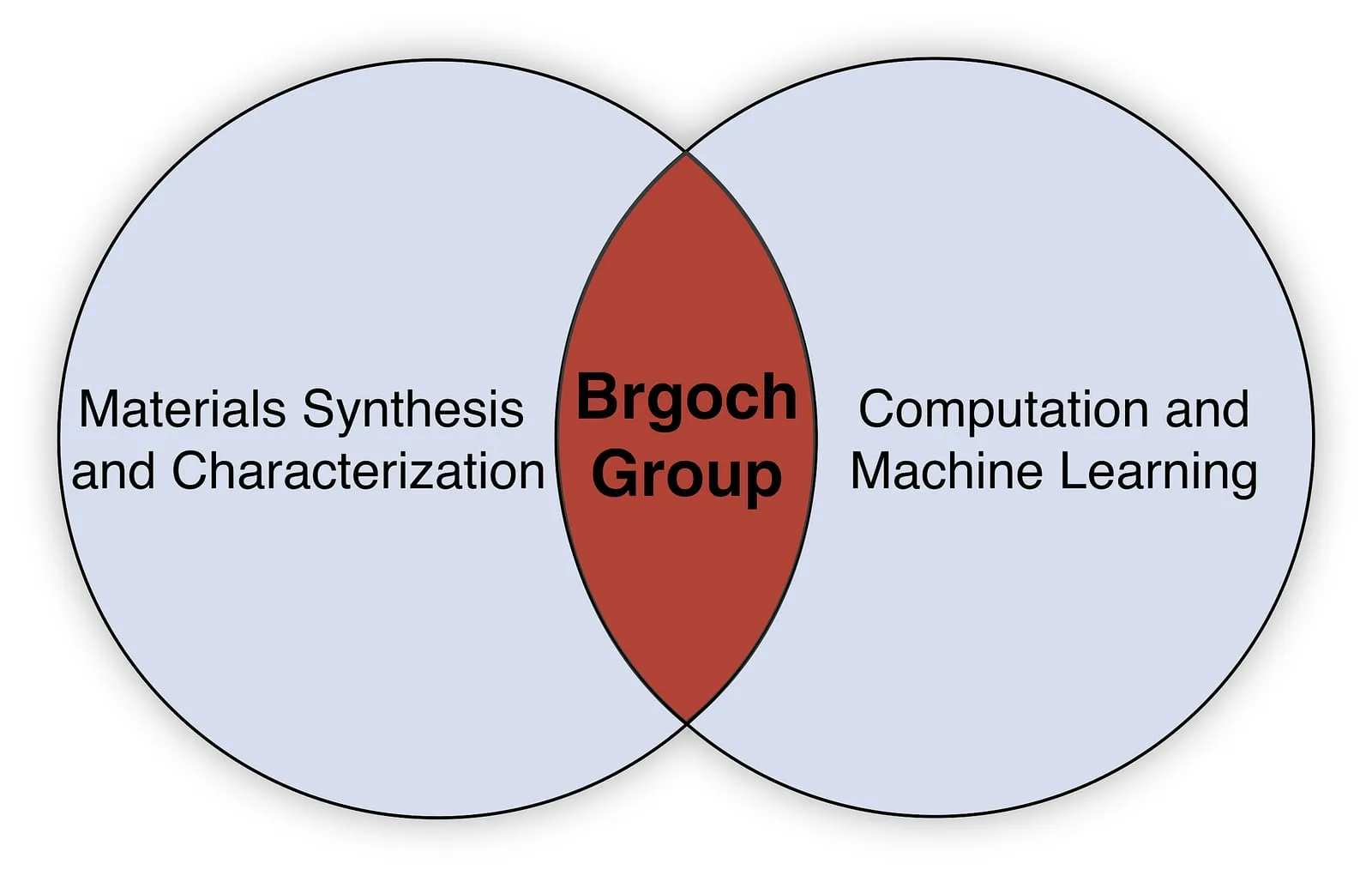
Research in the Brgoch group focuses on the discovery and development of functional inorganic materials. The group combines computation and machine learning with high-temperature synthesis and structural and optical characterization.
Research Areas
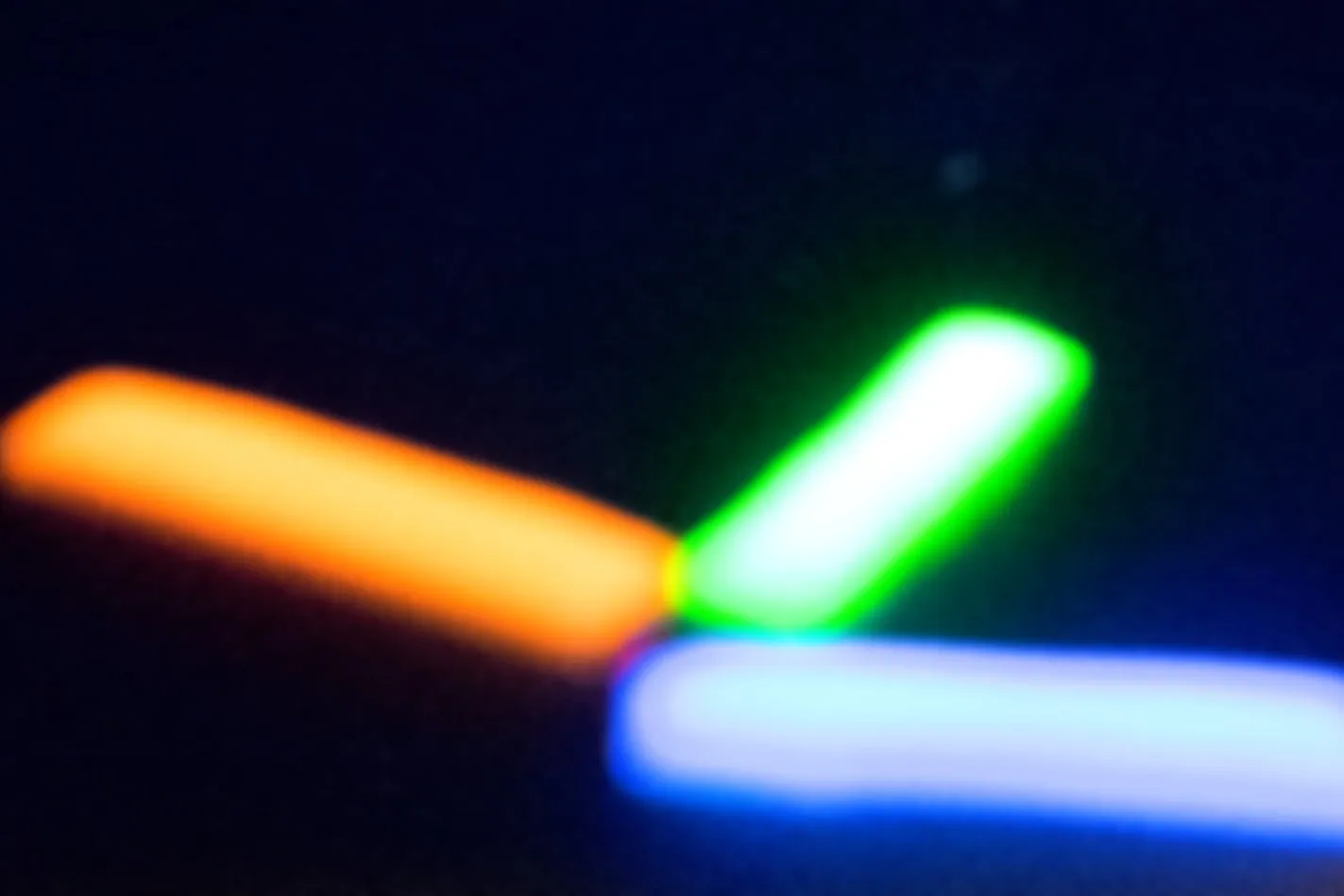
Data-Driven Development of Phosphors for LED Lighting
Using machine learning to find efficient, thermally stable phosphors for white LEDs and near-infrared light sources.
Read more: Data-Driven Development of Phosphors for LED Lighting
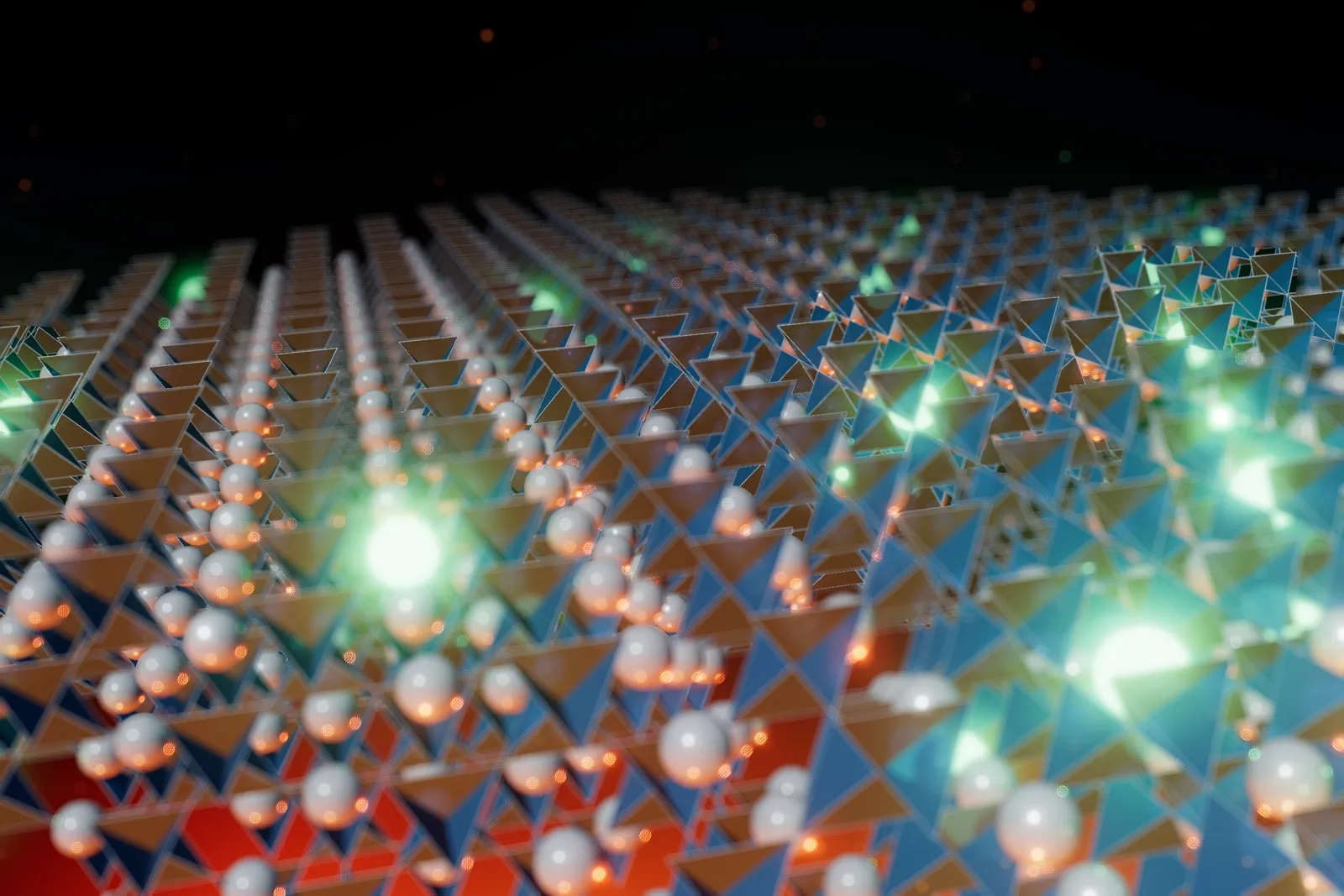
Persistent Luminescence Under Extreme Conditions
Engineering trap states so persistent phosphors keep glowing at high temperature and in harsh environments.
Targeting Earth-Abundant Superhard Materials
Combining machine learning and synthesis to find hard, oxidation-resistant materials made from earth-abundant elements.
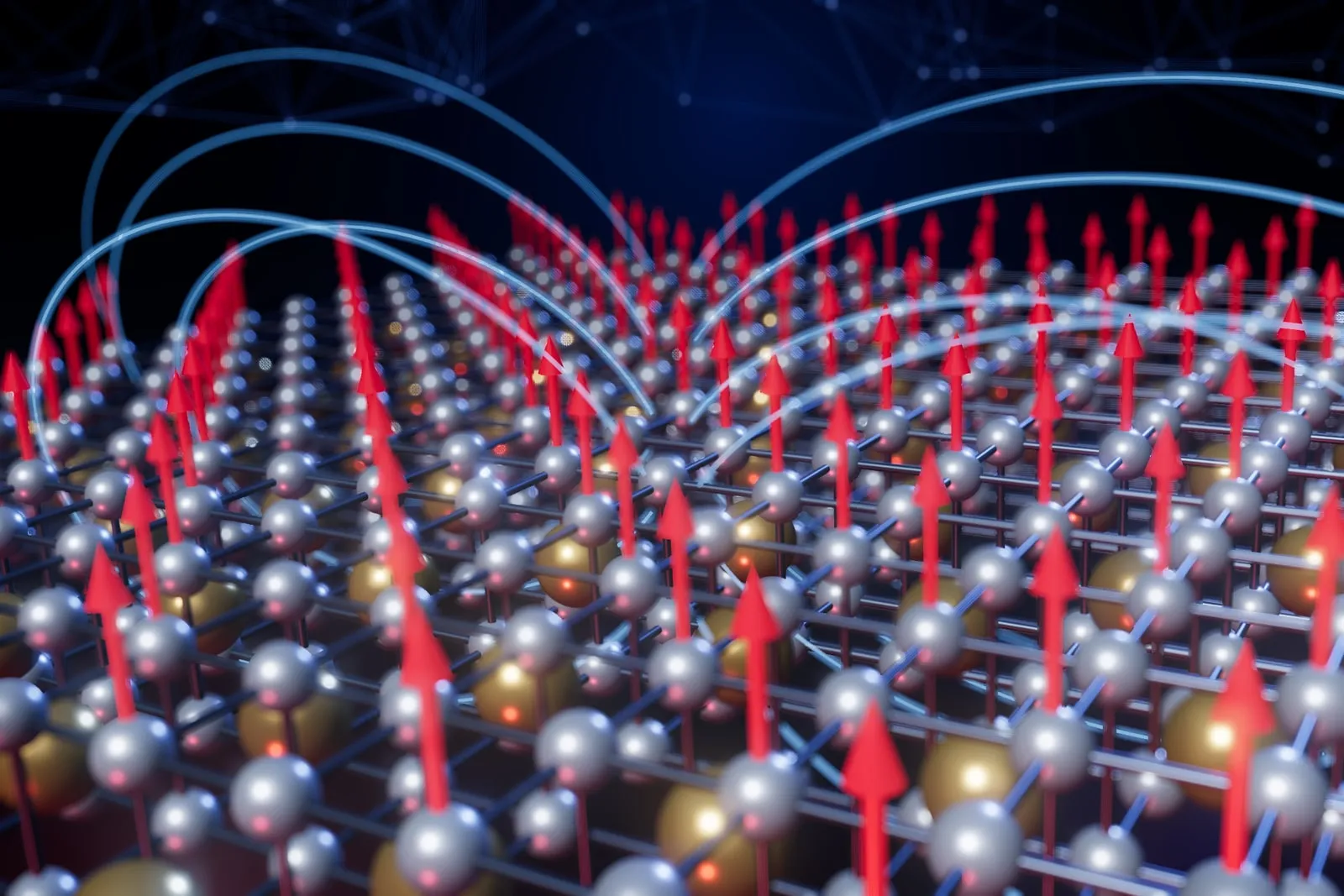
AI-Driven Discovery of Permanent Magnetic Materials
Using machine learning, computation, and synthesis to find new permanent magnets that rely less on rare-earth and other critical elements.
Read more: AI-Driven Discovery of Permanent Magnetic Materials
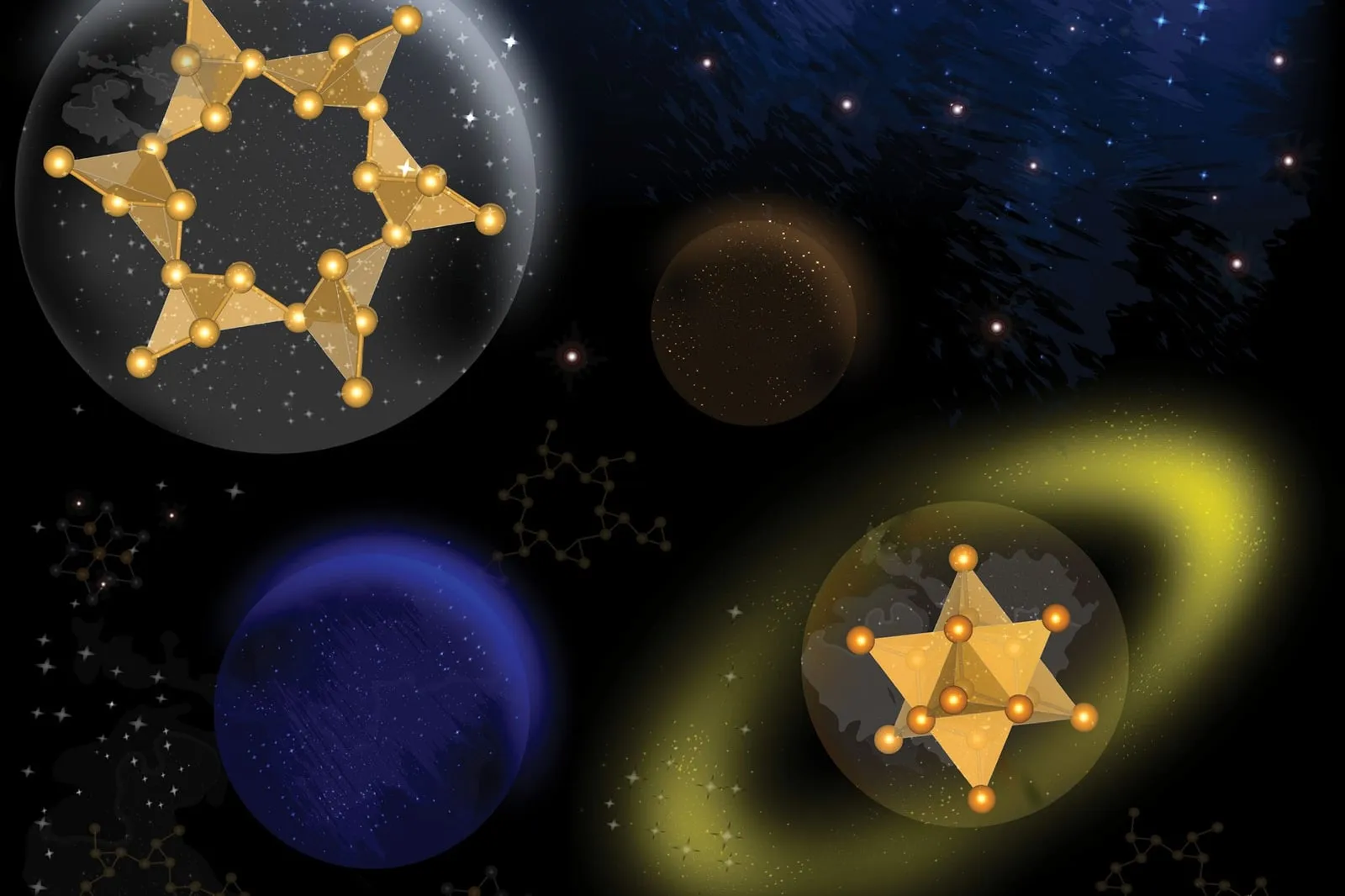
Uncovering the Chemistry of Anionic Metals
Exploring the crystal chemistry of compounds in which gold and platinum carry a negative charge.

Past Research
Persistent Nanophosphors for Biological Assays
Developing water-stable persistent luminescent nanophosphors for use as optical reporters in point-of-care diagnostic tests.
Methods
Computation
- Density functional theory (DFT) calculations
- Machine learning
- Data mining of crystal structure databases
Synthesis
- High-temperature solid-state reactions
- Microwave-assisted synthesis
- Sol–gel chemistry
- Sealed-tube reactions
- Arc melting
Characterization
- Powder and single-crystal X-ray diffraction
- Neutron diffraction
- Optical spectroscopy
- Solid-state NMR
- Magnetic measurements
- Micro-indentation
In the Lab
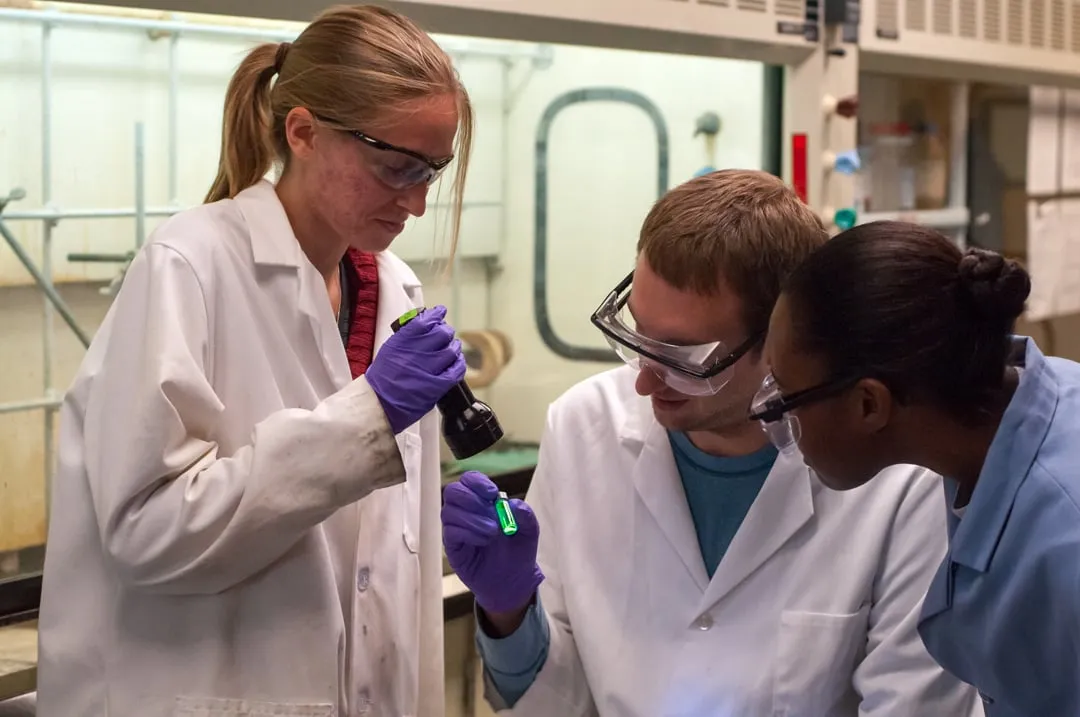
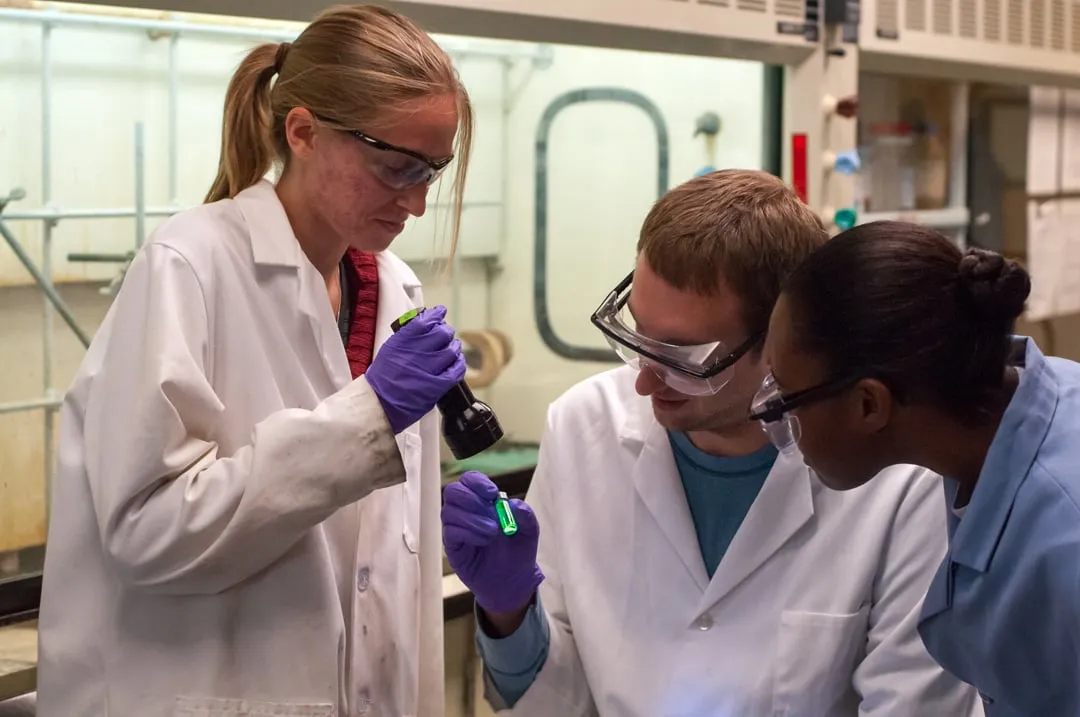
Phosphor under UV light 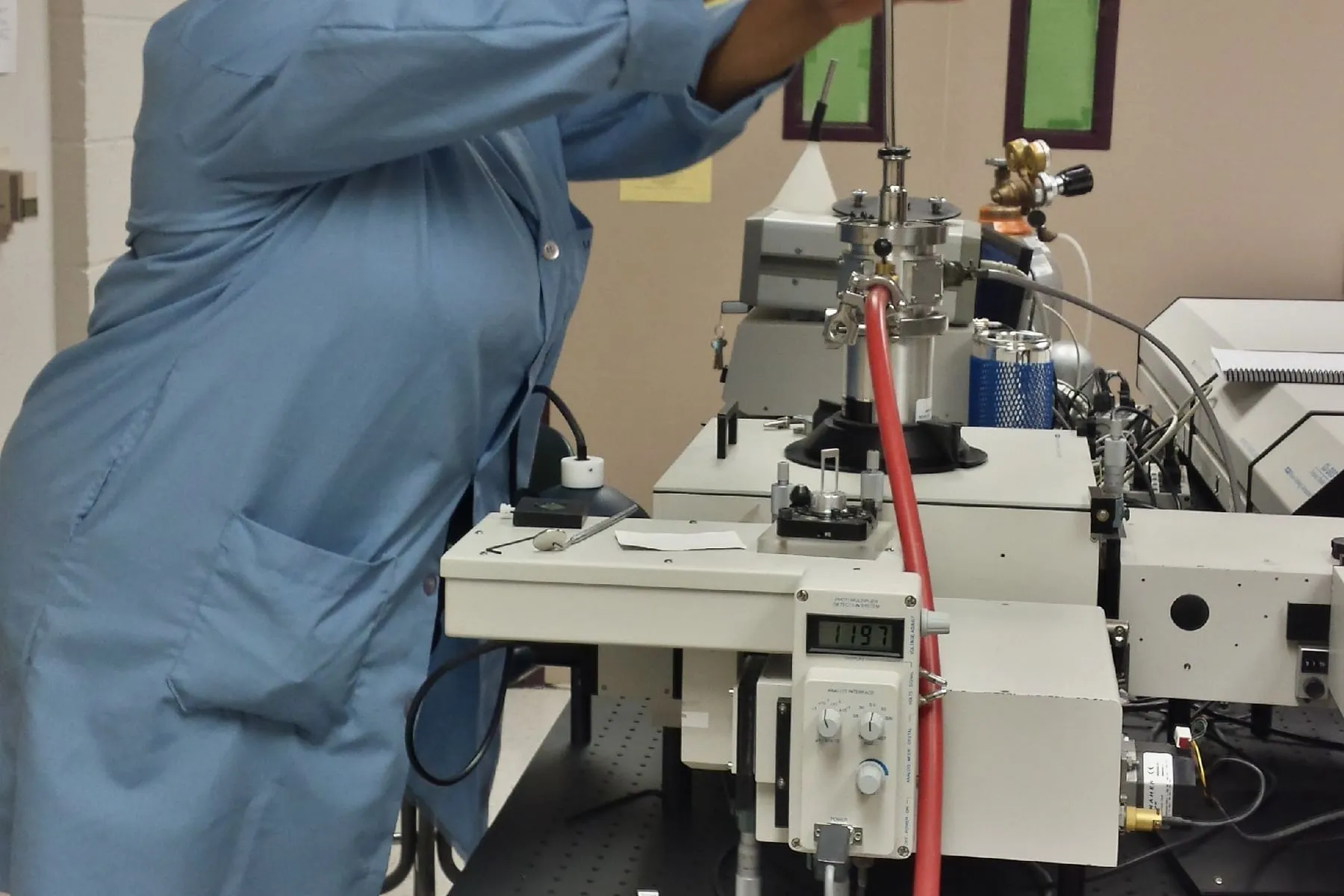
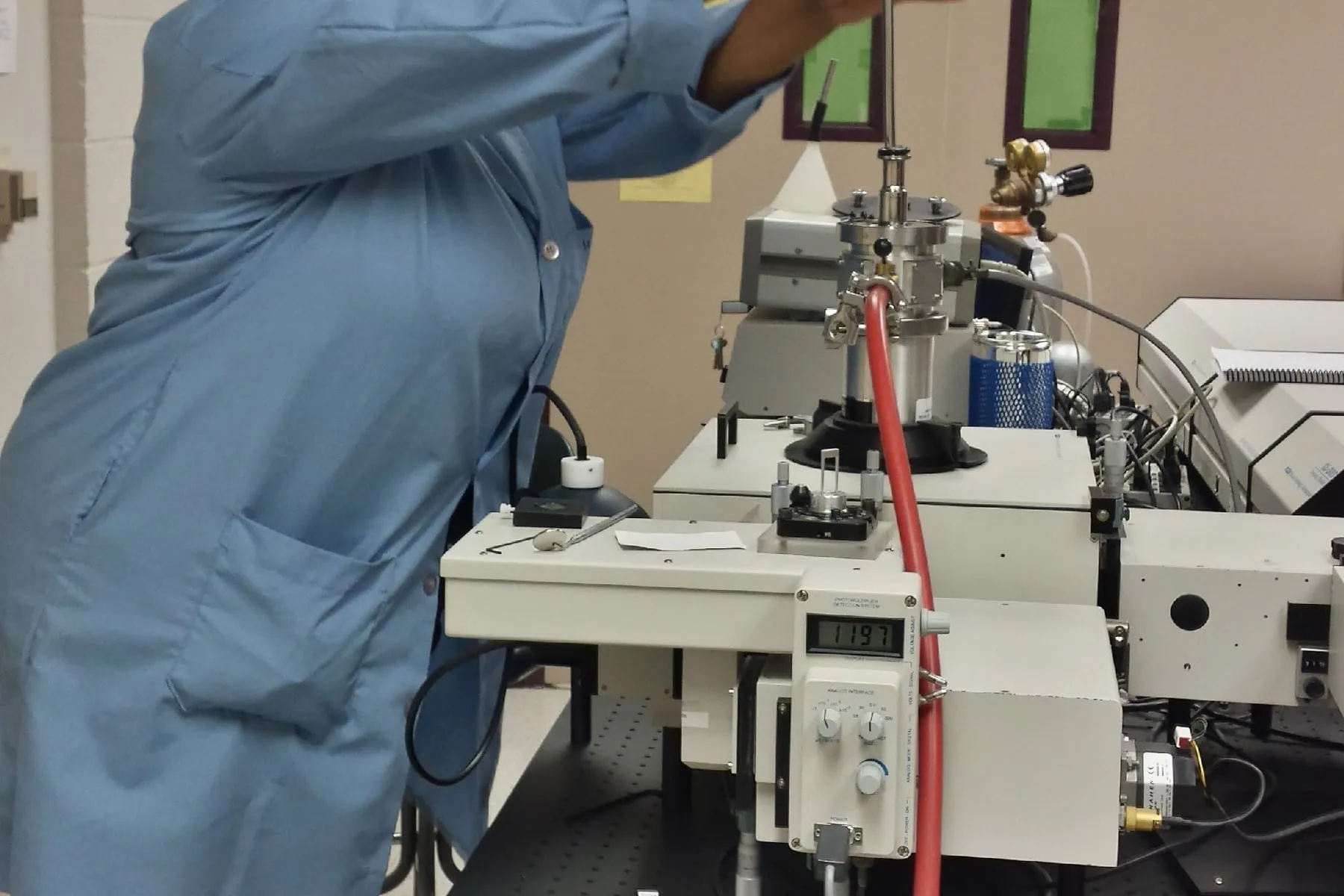
Optical spectroscopy 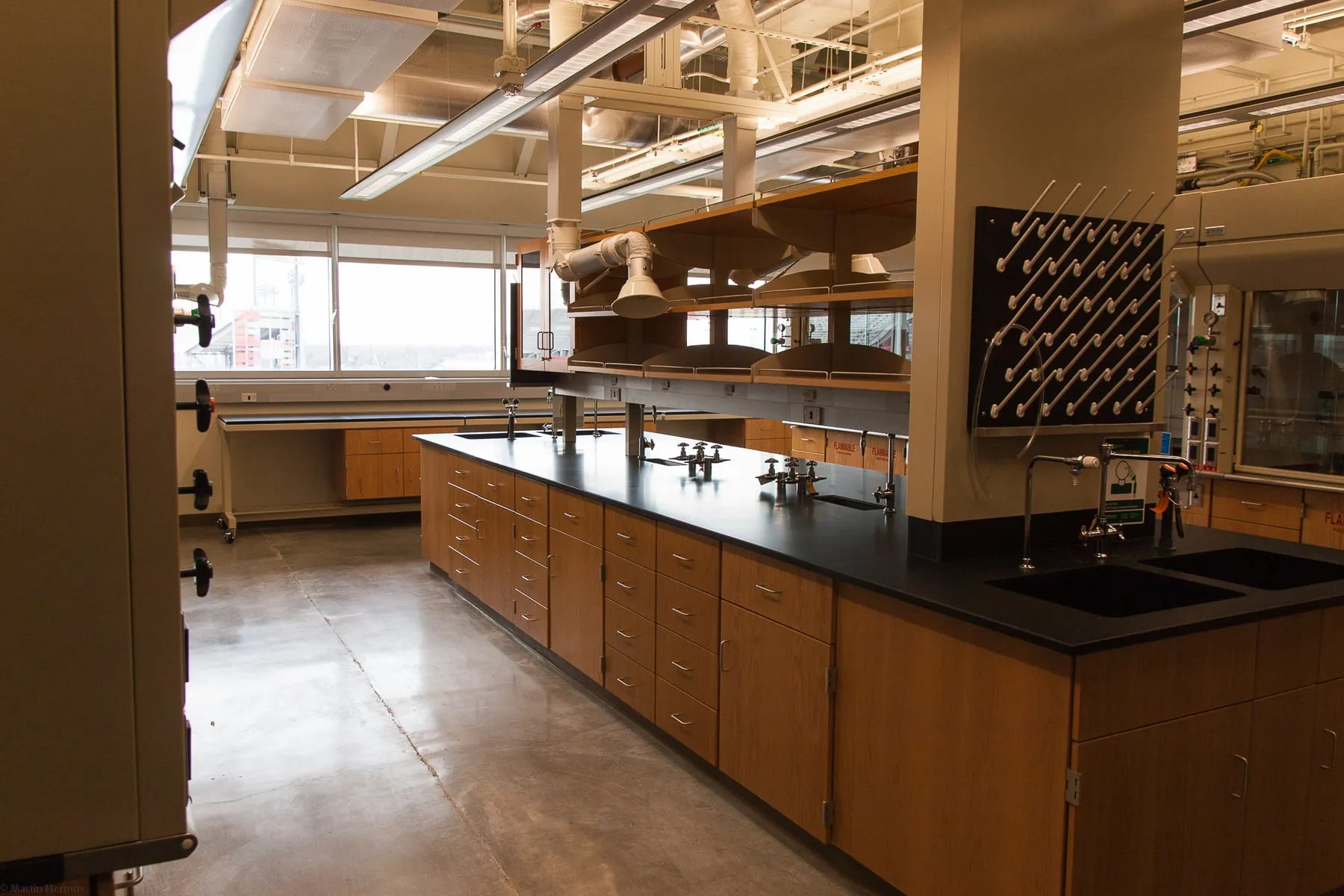
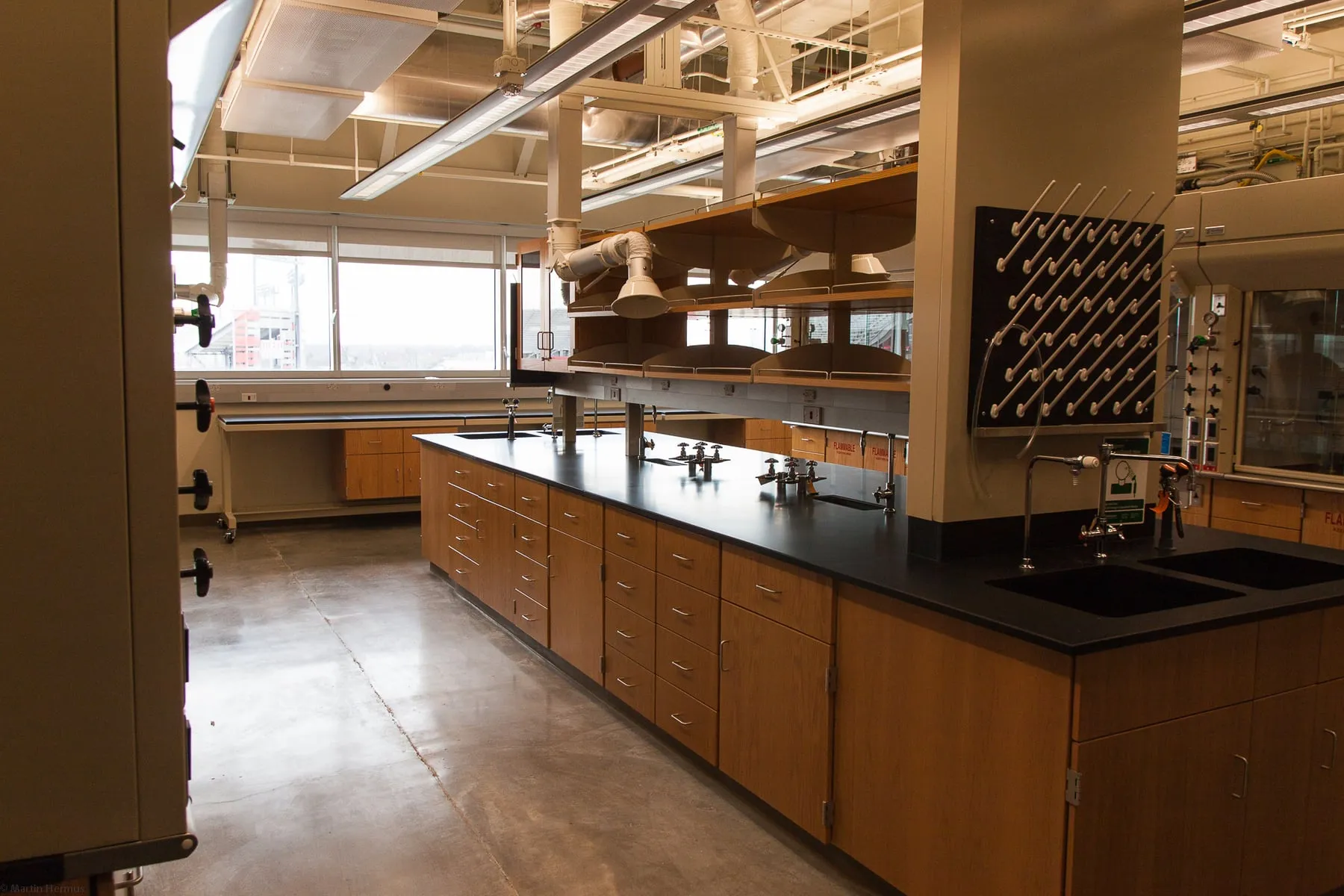
The group laboratory 
Lab view of downtown Houston